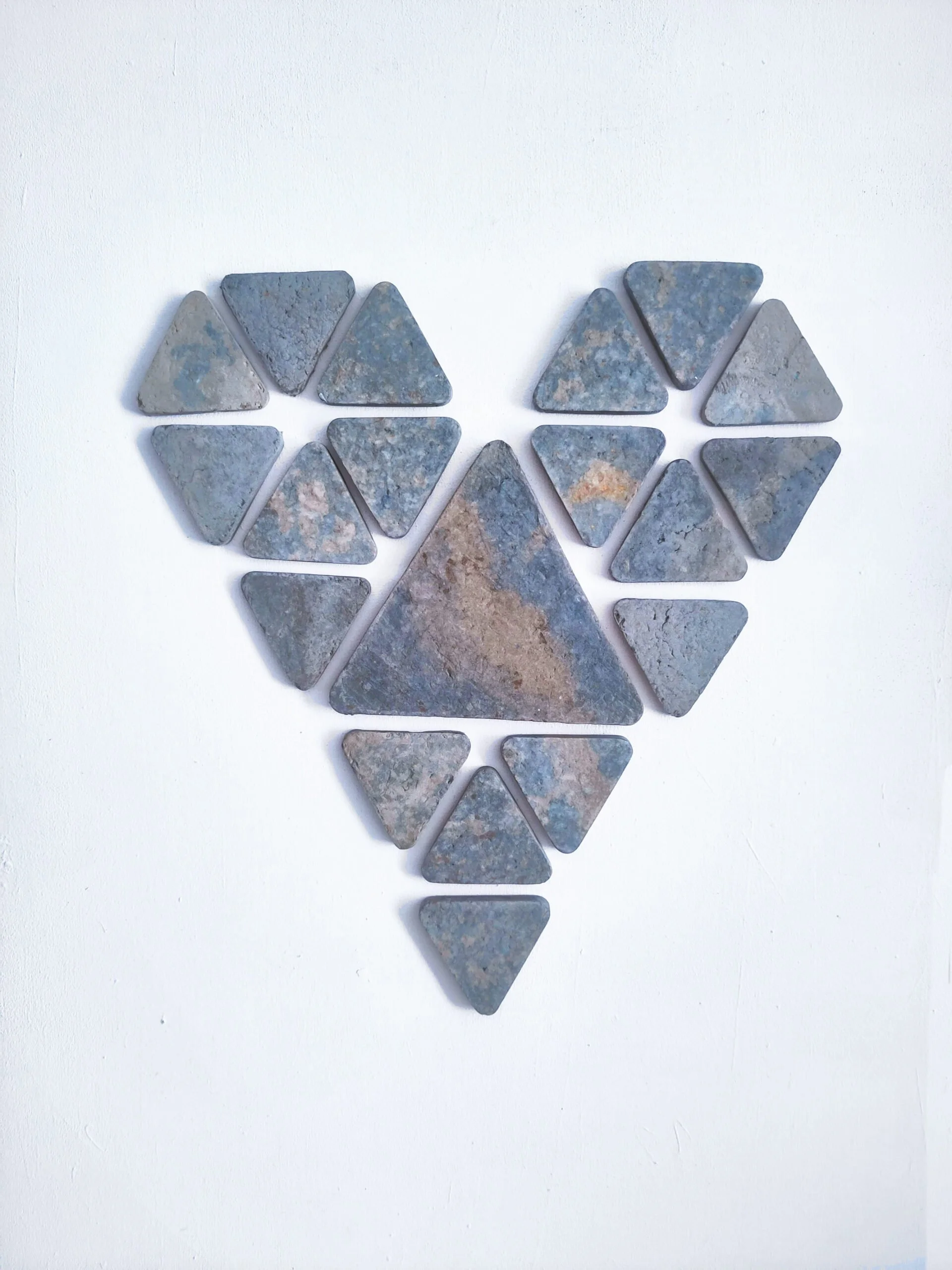
PULPA
PULPAis a material system developed by studio soozō using reclaimed paper waste and biodegradable ingredients.
Paper fibers can only be recycled a limited number of times before they lose their strength. Egg cartons and cardboard are usually in the final stage of this cycle, after which the material is usually discarded or composted. PULPA extends this lifecycle by transforming these low-grade paper fibers into durable, sculptural objects.
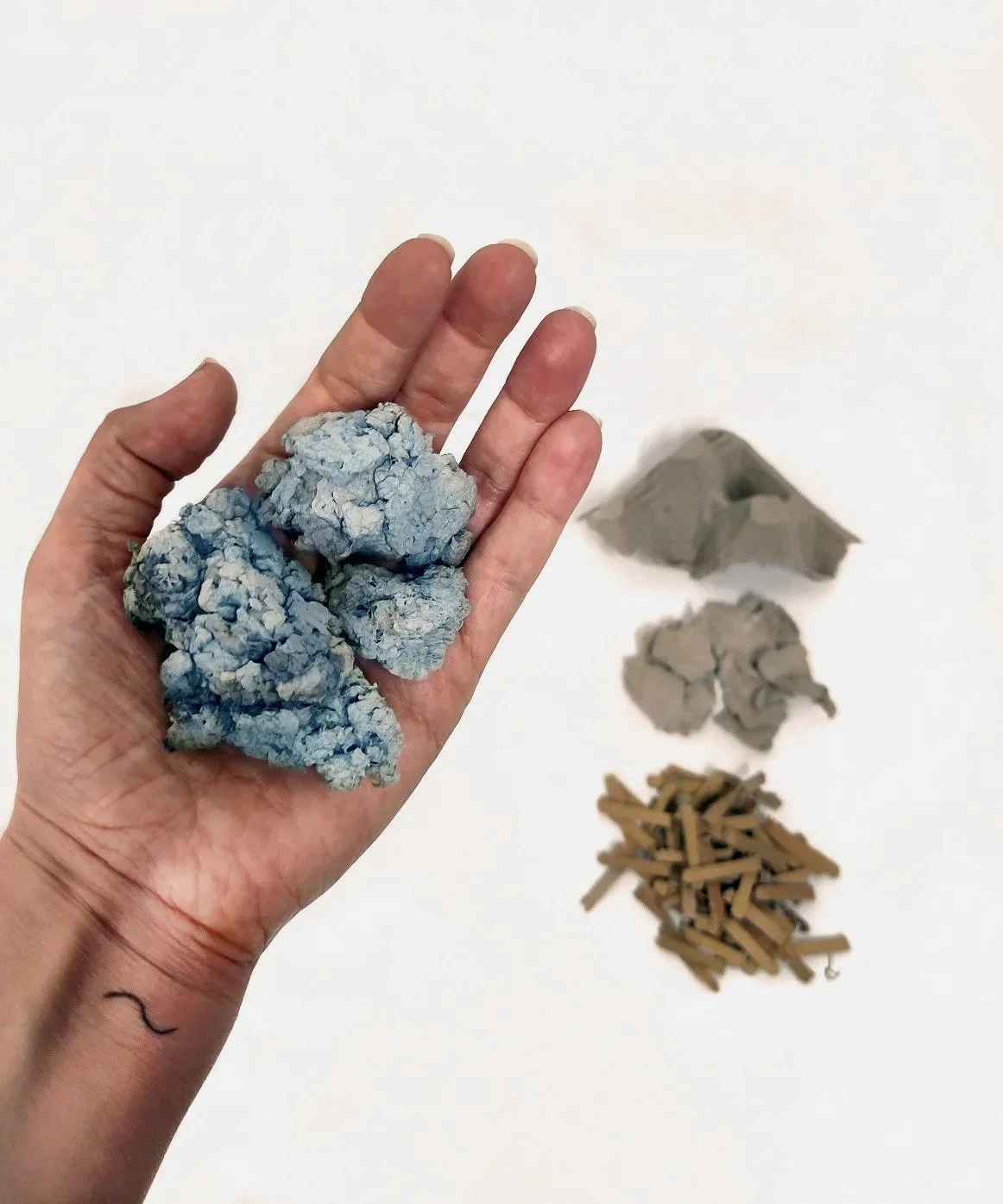
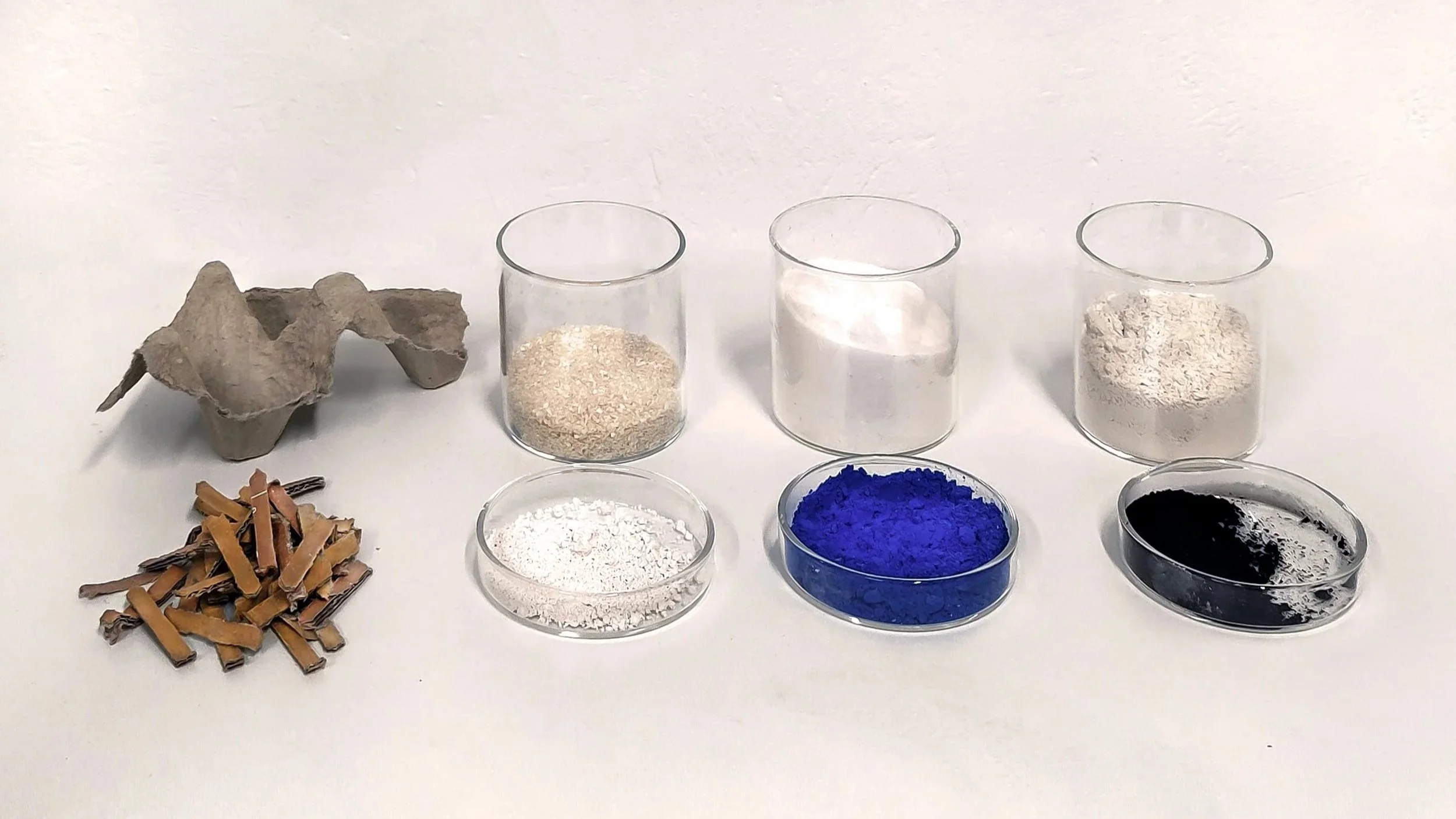
These objects begin as paper pulp made from discarded egg cartons, cardboard, or leftover scraps from the studio process. By combining this recycled paper pulp with natural binders, fillers, and locally sourced organic pigments, the material gains structural strength and a unique surface texture.
The biodegradable ingredients strengthen and color the fibers, shaping both the final form and the surface. When no longer in use, PULPA objects can be remade within a similar eco-friendly cycle or safely return to the earth without causing harm.
The material is shaped either using molds or entirely by hand, and the PULPA recipe is slightly changed depending on which method is used.
The wooden elements used in the objects or during the process are either reclaimed or sourced from FSC-certified wood. Wooden structures and press mould systems are designed using CAD and CNC milling, focusing on minimal material use, modularity, and reduced waste.
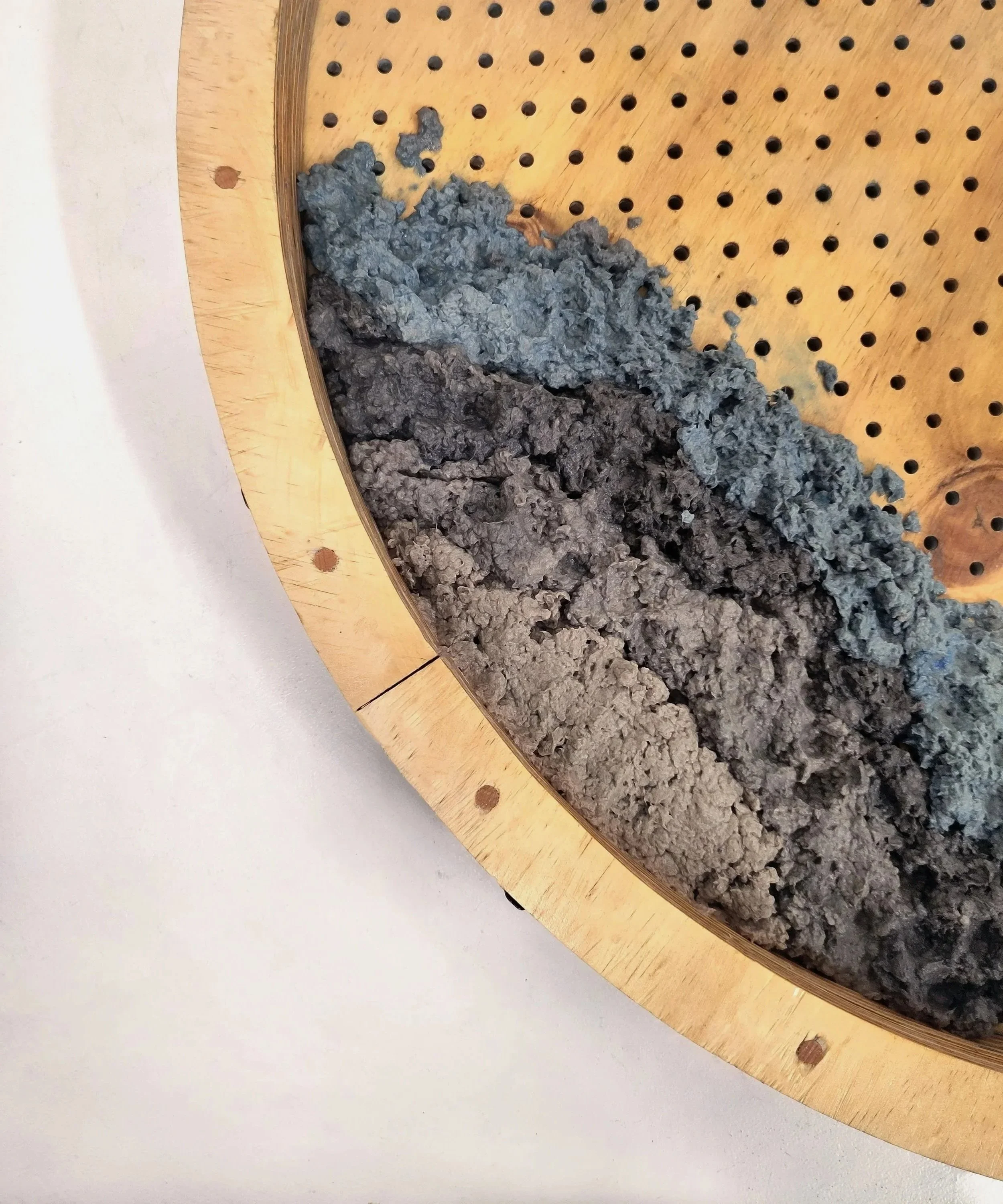
With the moulding system, the mixture is pressed into a modular mould system developed in the studio. Larger pieces are reinforced with thin wooden elements made from leftover material. After pressing, each object dries slowly at room temperature for several weeks.
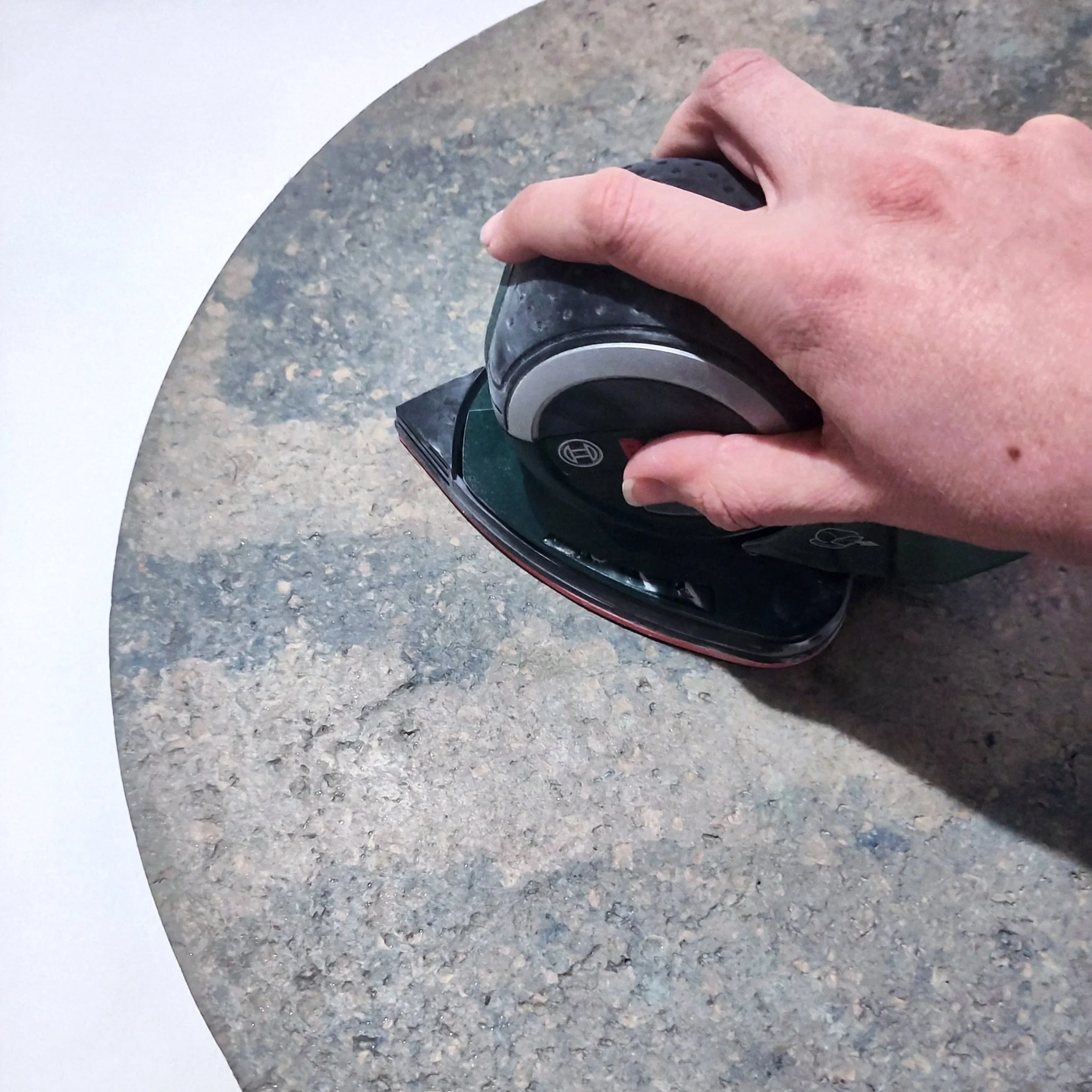
With the hand-built system, we use extra waste paper to help form the base of the shape, then work with it like clay. Once dry, the surface is sanded and treated with a biodegradable binding agent, resulting in a smooth, stone-like finish.
In the final stage, selected designs receive wooden backing elements or magnetic backing, a hanging system, and/or lighting components, completing the object as a wall-based piece.
While several of these wall object methods are still in an experimental or working phase, our PULPA series already offers a wide array of developed options and design possibilities.